(604) 238-6666
(604) 238-6666
If your gums hurt, bleed when you brush, or you've been told you have early gum disease, you've probably come across the term "laser gum therapy" while searching for options. Here's what the treatment actually involves, what it can and can't do, and what to expect if your dentist recommends it.
Laser therapy for gums uses a focused beam of light to remove infected tissue and bacteria from around the teeth, often with less bleeding and a shorter recovery than traditional gum surgery. It's used most often as part of treatment for gum disease (gingivitis and periodontitis), though the dental research on how much extra benefit it adds beyond standard cleaning is still mixed. A dentist can tell you whether gum laser therapy fits your specific case after an exam.
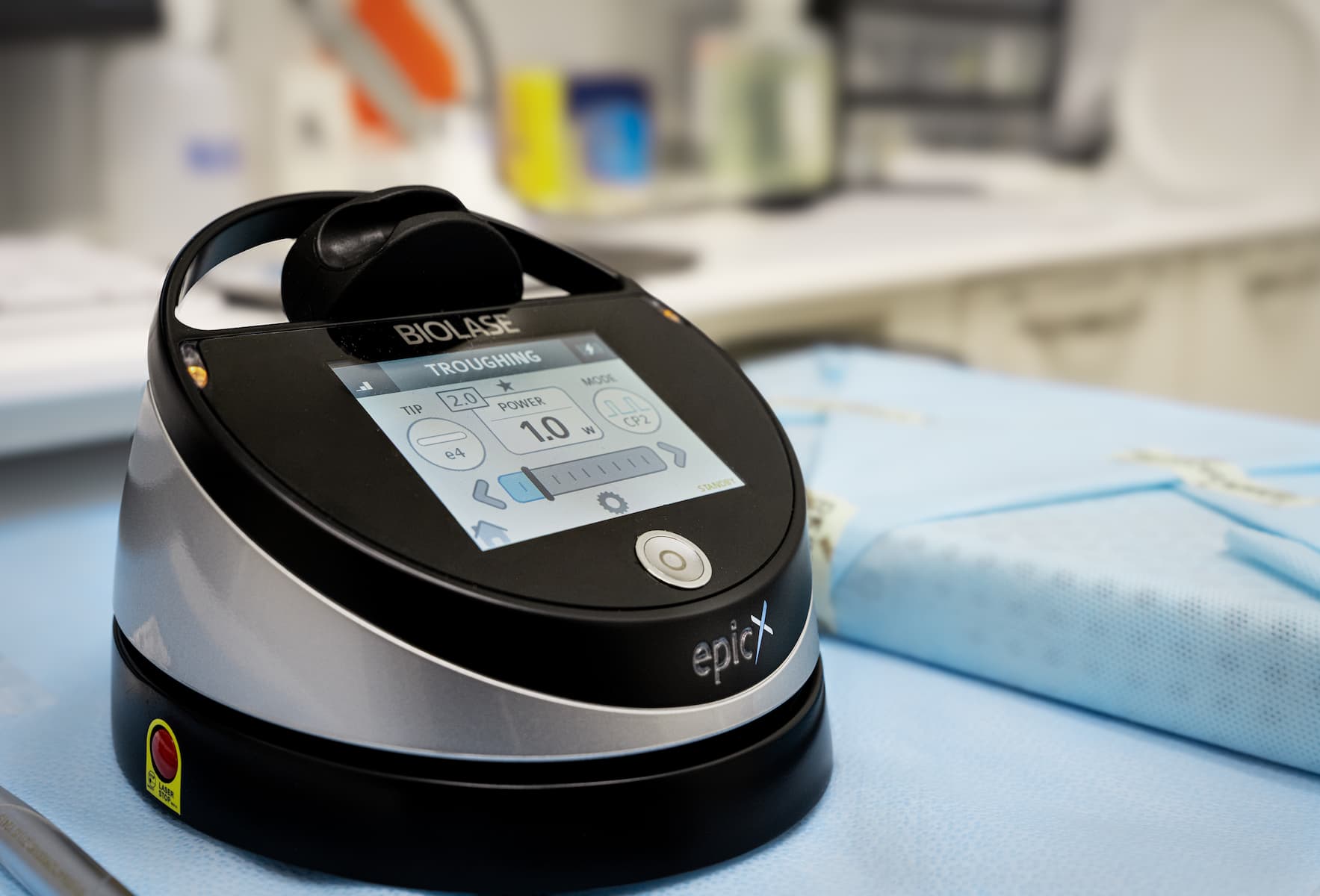
Laser therapy for gums is a treatment where a dentist uses a dental laser, a device that emits a concentrated beam of light energy, to target diseased or infected gum tissue. The light energy removes bacteria and inflamed tissue in the pocket between the tooth and gum, and in some cases it seals small blood vessels as it works.
It's typically used alongside, not instead of, standard periodontal cleaning (scaling and root planing). Dentists may reach for a laser during treatment of gingivitis, periodontitis, or gum recontouring, and in some practices for cold sores or minor soft-tissue procedures.
Before laser therapy comes up, most patients are dealing with a specific symptom: gums that hurt, bleed, or feel swollen. A few common causes:
If your gums suddenly hurt or you notice pain confined to one area, that's worth a same-visit look rather than guessing at home. It's often a quick fix, but occasionally it signals something that needs treatment before it spreads.
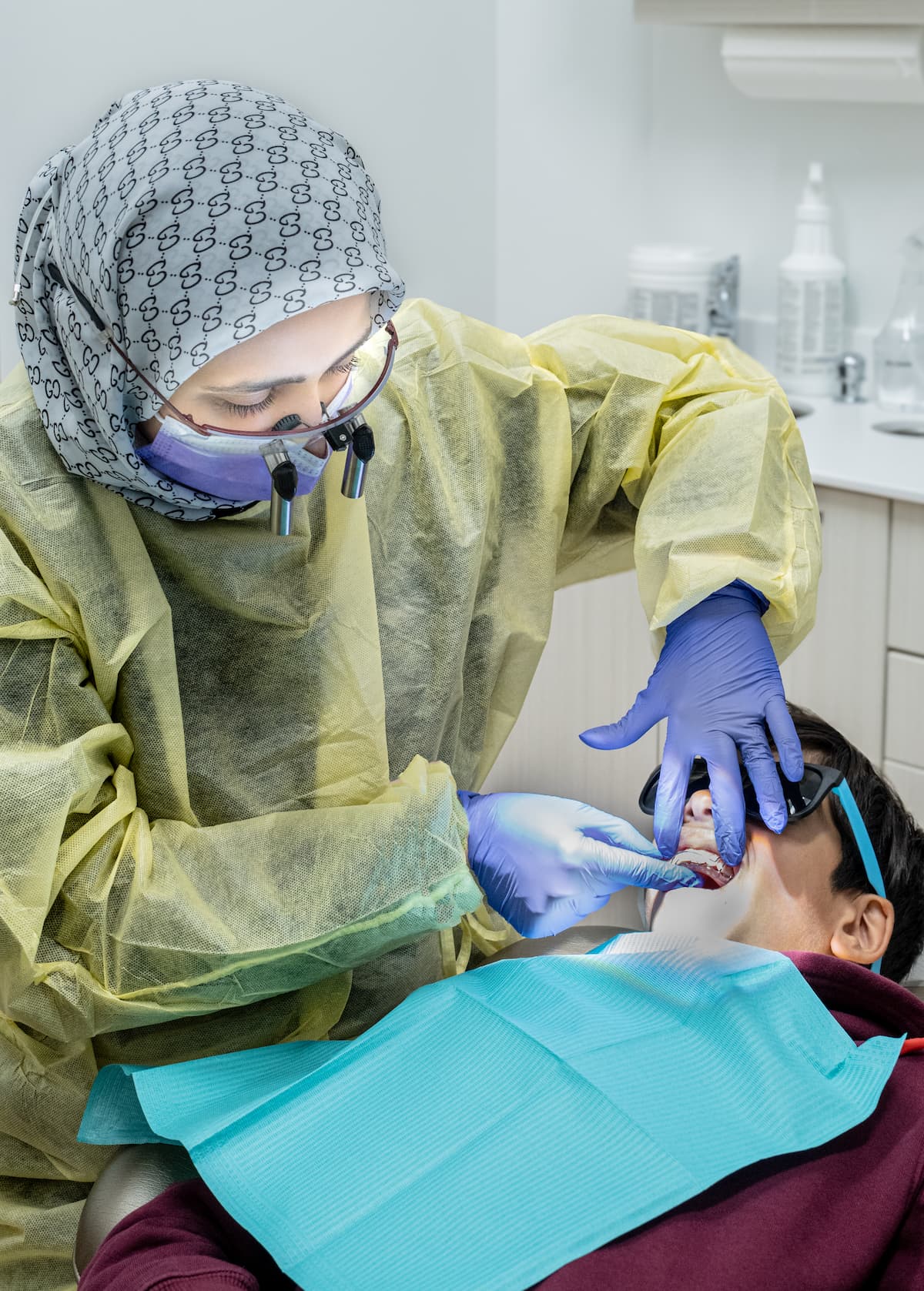
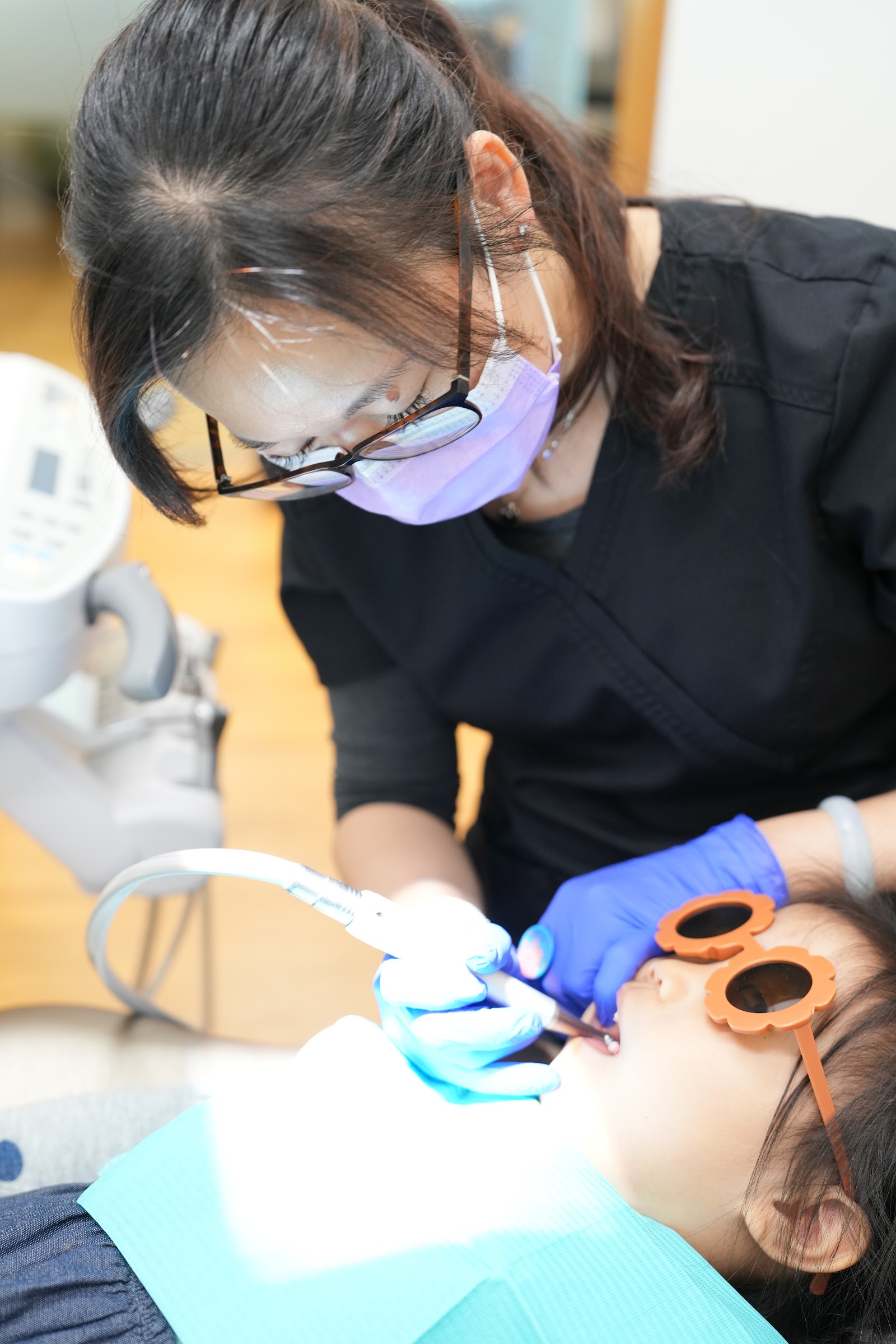
During the procedure, the dentist numbs the area (though many patients report needing less anesthetic than with a scalpel-based approach) and guides the laser fiber into the gum pocket. The laser:
1. Removes diseased soft tissue and bacteria from the pocket wall
2. Helps disinfect the area by reducing bacterial load
3. Can promote a small blood clot to form, which supports healing and gum reattachment
Because the laser cauterizes as it goes, there's often less bleeding during the appointment compared with a scalpel and sutures.
This is the part that's easy to oversell, so it's worth being direct about it.
Some studies do show measurable improvements when lasers are used alongside standard cleaning. A meta-analysis in the Journal of Periodontal Research found that adding low-level laser therapy to scaling and root planing produced a small but statistically significant short-term gain in probing pocket depth over scaling and root planing by itself.
At the same time, the American Academy of Periodontology's own evidence-based statement is more cautious. It concludes that, looking at pocket depth reduction or attachment gain specifically, laser curettage added to standard cleaning offers little to no advantage over the cleaning alone, and that lasers as a group have performed inconsistently across studies. A separate systematic review published on PubMed reached a similar conclusion, finding no consistent evidence that laser treatment adds real benefit to non-surgical periodontal care in adults with chronic periodontitis, and called for more randomized trials before drawing firmer conclusions.
Newer reviews sit somewhere in between. A 2025 mini-review found that laser therapy has been linked to meaningful improvements in probing depth, attachment level, and bleeding on probing across a number of studies, while noting the research base still has notable gaps and inconsistencies between studies.
The honest summary: gum laser therapy is a real, FDA-cleared tool that many periodontists use as one part of treatment, and it can make certain appointments more comfortable with less bleeding. It is not a guaranteed fix for gum disease on its own, and claims about "reversing bone loss naturally" or achieving full gum disease reversal through laser alone go beyond what the current evidence supports. Standard scaling and root planing, done well, remains the foundation of gum disease treatment. A laser is an add-on, not a replacement.

"Standard scaling and root planing, done well, remains the foundation of gum disease treatment. A laser is an add-on, not a replacement."
When it's used appropriately, patients and dentists commonly report:
- Less bleeding during the procedure
- Reduced discomfort compared with traditional scalpel-based gum surgery
- Shorter chair time for some procedures
- Less swelling afterward
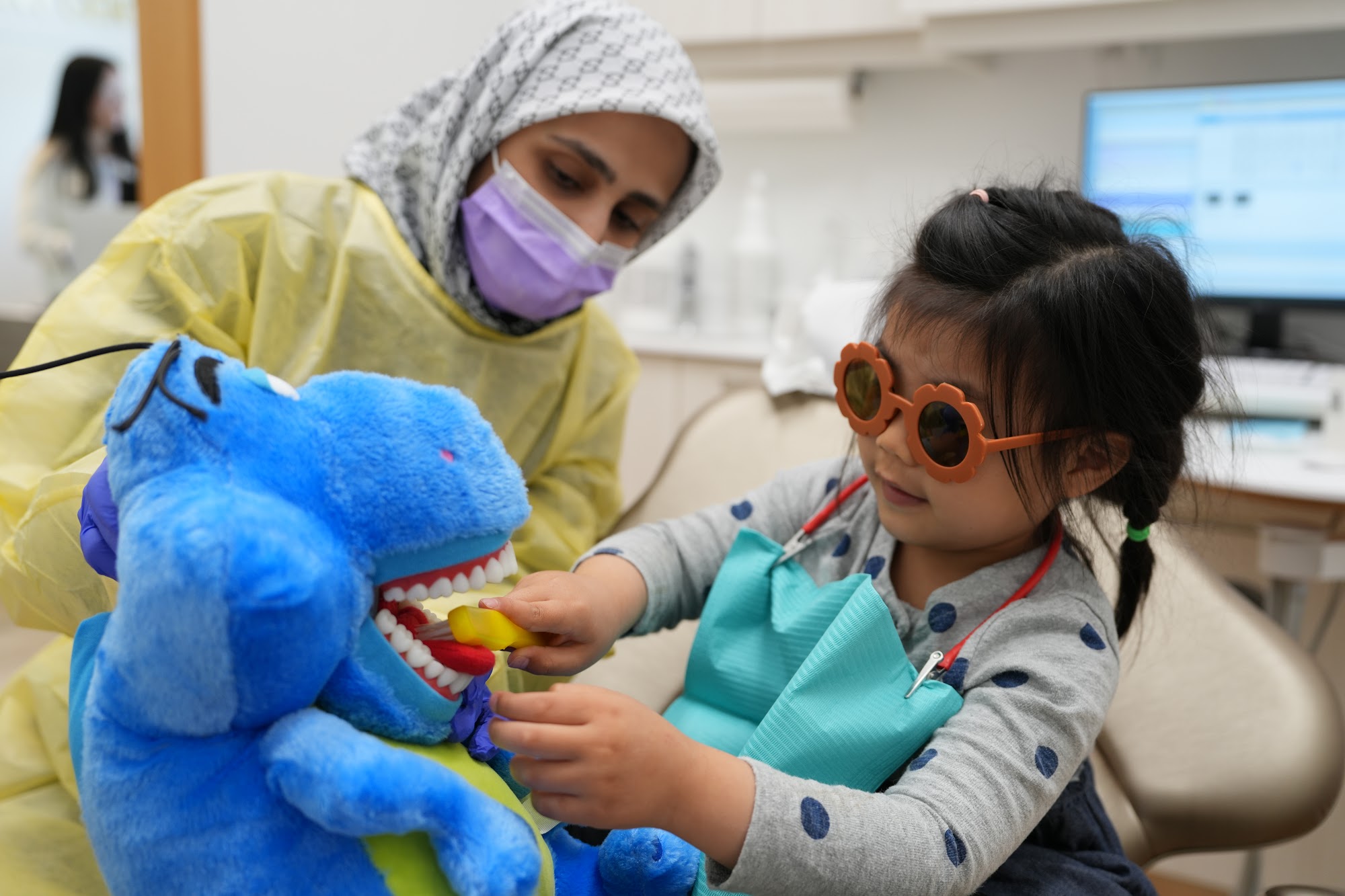
- A more comfortable option for patients with dental anxiety
Most laser gum procedures are done in a single dental visit under local anesthetic. You may notice mild tenderness or sensitivity for a day or two, similar to what you'd feel after a deep cleaning. Most people return to normal eating and brushing the same day or the next, with soft foods recommended for the first 24 hours if the area feels tender.
Your dentist will usually schedule a follow-up to check healing and measure whether gum pockets have improved.
It depends on what's actually going on with your gums. A dentist needs to look at pocket depth, bleeding, bone level (often from an X-ray), and your overall health before recommending it. Laser therapy tends to come up for:
- Mild to moderate gum disease
- Patients who want a lower-bleeding option during treatment
- Gum recontouring or minor soft-tissue work
- Patients with dental anxiety around traditional tools
It's not typically the first step for a simple case of gums hurting from a stuck piece of food, and it's not a substitute for a full periodontal exam if you have advanced bone loss.
Book a visit rather than waiting it out if:
- Your gums bleed regularly when brushing or flossing
- You have gum pain between molars that doesn't clear up in a few days
- Your gums suddenly hurt with no clear cause
- You notice a bad taste, persistent bad breath, or loose teeth
- Your jaw feels tight or you're waking up with a sore jaw on one side, which can sometimes be related to grinding rather than gum disease, but is worth checking
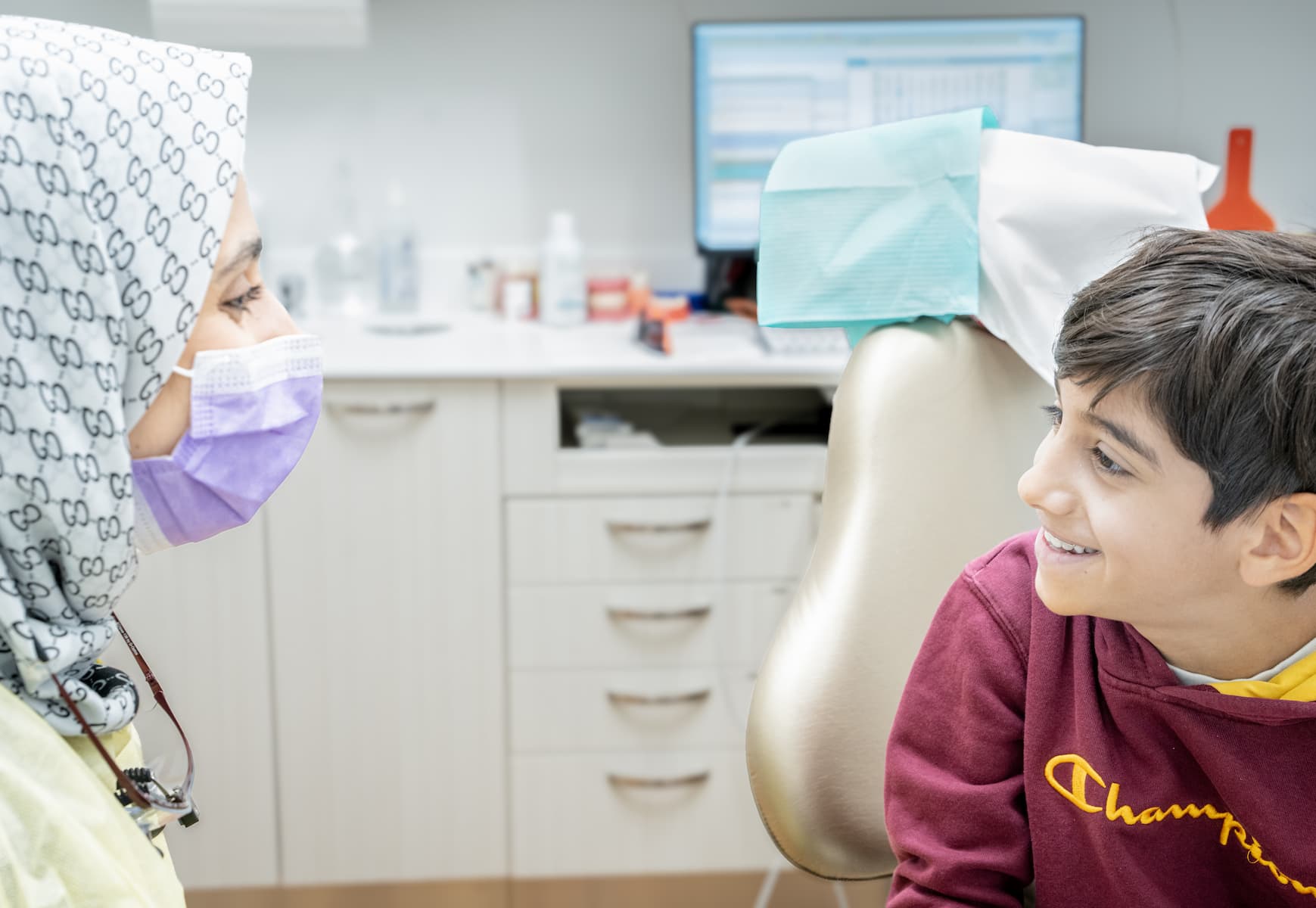
At DTC Dental Treatment Center, a dental clinic in Richmond serving the Terra Nova neighbourhood since 2019, Dr. Sara Ghadiri and Dr. Michael Ho see patients for routine gum health checks as well as more involved periodontal concerns. If your gums hurt, bleed, or you've noticed changes in your gum line, a dental checkup can confirm what's going on and whether a conservative approach, or a laser-assisted one, makes sense for your case.
The clinic is located at 6011 No. 1 Rd, Unit 120, Richmond, BC V7C 1T4, with appointments available in English, Mandarin, Cantonese, and Persian (Farsi). You can reach the team at (604) 238-6666 to ask whether laser gum therapy is a fit for your situation or to book a dental exam.
Does laser gum therapy hurt?
Most patients report less discomfort than with traditional scalpel-based gum treatment, and some procedures need little to no anesthetic. Mild soreness for a day or two afterward is normal.
Can laser therapy reverse gum disease?
Laser therapy can help reduce bacteria and inflamed tissue as part of treatment, but current evidence doesn't support it as a standalone cure. Gingivitis, the earliest stage of gum disease, can improve with good cleaning and home care. More advanced periodontitis is managed rather than fully reversed, and a laser is one tool among several used in that management.
Why do my gums suddenly hurt in one spot?
This is often localized, from trapped food, a cracked filling, a wisdom tooth, or a minor injury, rather than widespread gum disease. It's still worth having a dentist look at it if the pain lasts more than a few days.
How much does laser gum treatment cost?
Cost depends on how much of the mouth needs treatment and whether it's combined with scaling and root planing. Your dentist can give you an accurate quote after an exam.
Is laser gum therapy covered by dental insurance?
Coverage varies by plan and by how the procedure is billed. Ask your provider or your dental office to check your specific benefits before treatment.

Key Takeaways

Laser gum therapy uses a focused beam of light to remove infected tissue and bacteria from around the teeth.
It's used alongside standard periodontal cleaning (scaling and root planing), not as a replacement for it.
The research is genuinely mixed: some studies show small short-term gains, while the American Academy of Periodontology finds little to no added advantage.
Patients commonly report less bleeding, less swelling, and more comfort than with scalpel-based gum surgery.
Only a full periodontal exam can confirm whether laser therapy fits your case. Call (604) 238-6666 to book.

Tips: Choose the right formula: fluoride for cavity protection, antibacterial for gum health, or alcohol-free for a sensitive mouth.
FAQ


DTC Dental Treatment Center, a family dental clinic in Richmond, BC (“DTC” stands for Dental Treatment Center). CDCP accepted · English · 中文 · فارسی